



 साझा अर्थ संवाददाता
३० जेठ २०८२, शुक्रवार
साझा अर्थ संवाददाता
३० जेठ २०८२, शुक्रवार
Abhishek Kushwaha
On June 12, 2025, the aviation world was shaken by a heartbreaking incident, Air India Flight 171, a Boeing 787-8 Dreamliner, crashed shortly after taking off from Ahmedabad airport. The plane was heading to London Gatwick but only stayed in the air for about 30 seconds before crashing into a medical college hostel. The crash killed 241 of the 242 people on board, along with at least 28 people on the ground, making it one of the deadliest air disasters in India’s history. The only survivor was a man seated in seat 11A, who managed to escape through an emergency door.
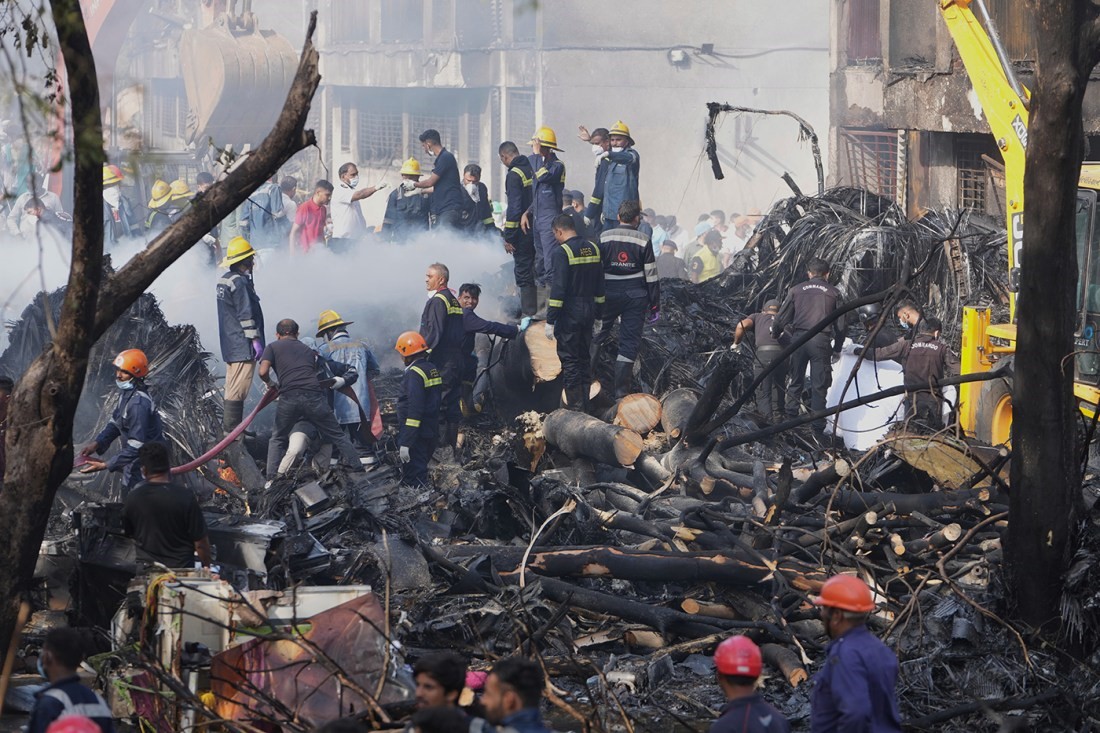
Eyewitnesses reported that the plane seemed to be struggling during takeoff. Some videos suggest that the landing gear or flaps might not have retracted properly. A mayday signal was reportedly sent by the pilot moments before the plane lost control. Emergency response teams like the NDRF, BSF, and even international investigators from the U.S. and U.K. rushed to the scene. Investigations are still ongoing, but this crash has reopened a long-time debate: Which aircraft is safer, Boeing or Airbus?
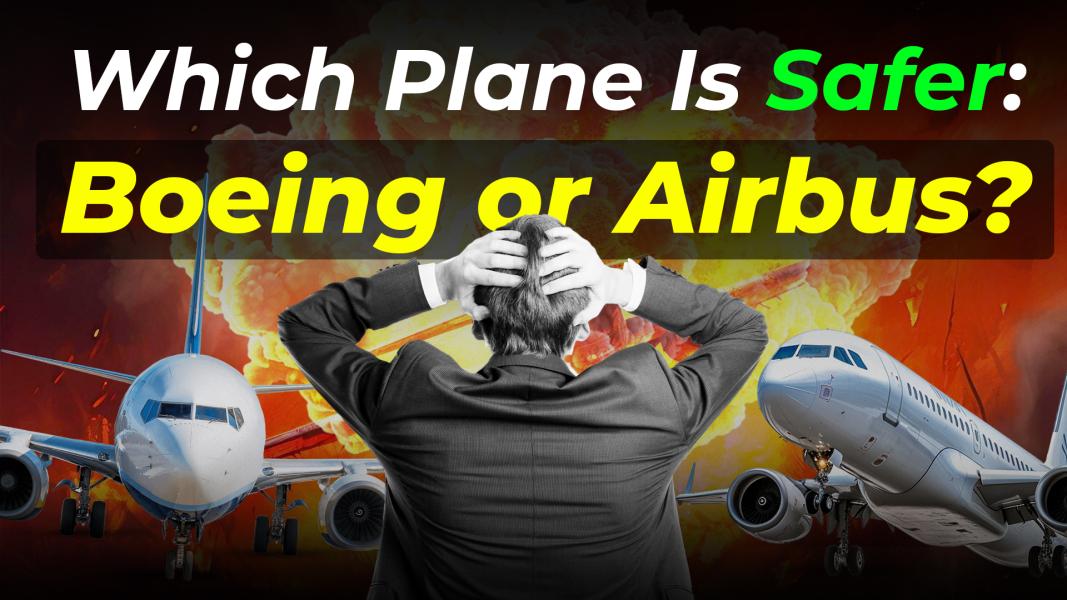
Boeing vs Airbus: Safety in the Skies
When it comes to global aviation, Boeing and Airbus are the two biggest aircraft manufacturers, and both have excellent safety records. Over the years, both companies have built thousands of planes that fly millions of people safely every day. However, like any machine, accidents can still happen due to many reasons, technical failure, human error, poor weather, or maintenance issues.
According to international safety data:
Historical Crashes: What Do the Numbers Say?
Airbus has had some tragic crashes in its history, including:
Boeing also has had major incidents:
Despite these accidents, it's important to understand that both manufacturers have made huge improvements in design, technology, and pilot training systems. Since the 737 MAX tragedy, Boeing has updated software systems and gone through intense re-certification. Airbus, too, continues to upgrade cockpit designs and safety protocols.
Is One Safer Than the Other?
Based on expert analysis and crash statistics:
For example, low-cost airlines or older fleets may experience more issues due to maintenance shortcuts, while top-tier international carriers maintain strict safety practices regardless of aircraft type.
The Ahmedabad crash is a heartbreaking reminder that aviation safety requires constant attention and improvement. While investigations will reveal the exact cause, we must avoid jumping to conclusions about Boeing being unsafe. Accidents are extremely rare today, and flying is still one of the safest ways to travel. Both Boeing and Airbus continue to work hard to reduce risks to near-zero.
At the end of the day, it’s not just about which plane you fly on, but how well it’s maintained, how trained the crew is, and how responsible the airline is. Let’s hope the findings from this crash lead to further improvements in the future, so that tragedies like this never happen again.
साझा अर्थ संवाददाता